
Congestion Charge 2026: New Rates For PCO And EV Drivers In London
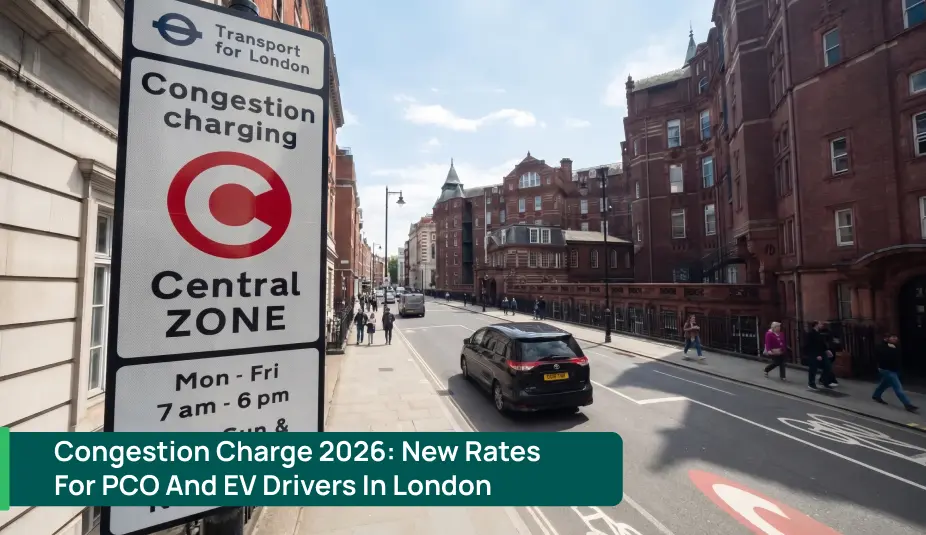
For PCO car drivers in London, 2026 has changed two of your highest daily costs. From 2 January 2026, the London Congestion Charge rose from £15 to £18 per day, and the full EV exemption that many drivers relied on is no longer available.
Whether you’ve just got your TfL PCO Car licence or you’ve been on the road for years, these changes can have a direct impact on your weekly income. The Congestion Charge 2026 is now a fixed part of your daily running costs, alongside your PCO car hire, fuel and insurance.
This guide explains when the charge applies, what PCO and EV drivers now pay, how Auto Pay can reduce costs, and what happens if you miss a payment. We’ll also look at the difference between the Congestion Charge and ULEZ, and how drivers can keep their overall costs down.
Congestion Charge 2026: Here Is What Changed
Congestion Charge hits £18 in 2026, adding £3 to the previous daily rate for most drivers. On top of this increase, the 100% Cleaner Vehicle Discount (CVD) for EVs ended on 25 December 2025. EVs are no longer free to enter the zone, but they still pay less than petrol or diesel, provided the vehicle is registered on TfL Auto Pay.
TfL states that, “the changes are designed to manage rising EV traffic. Without them, TfL estimates around 2,000 extra vehicles could have entered the zone on an average weekday, as EVs now make up a growing share of vehicles on London’s roads.
TfL has also proposed annual increases to the Congestion Charge from 2027, in line with Tube and rail fare rises, worth factoring into your longer-term planning, even though ULEZ charges aren’t part of that proposal.
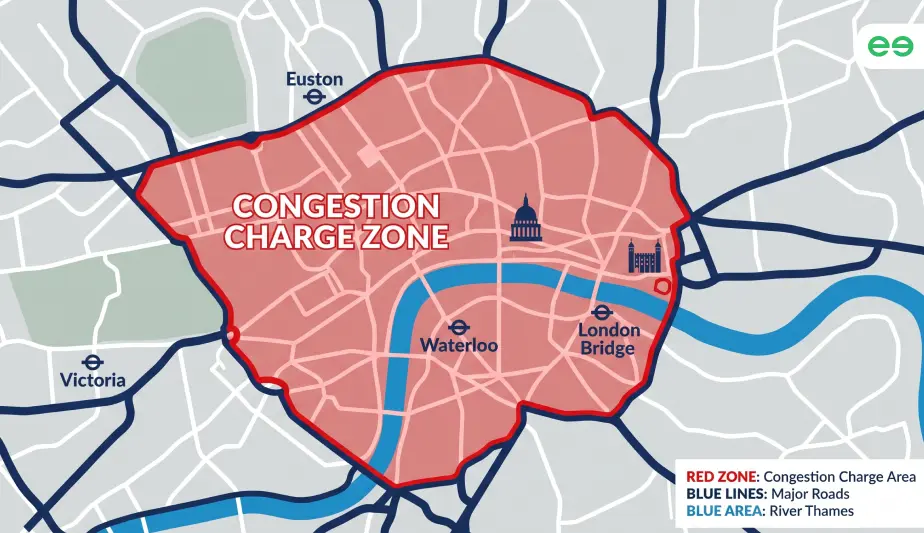
The zone covers the busiest areas in London for ride-hailing: the City, Westminster, Soho, Mayfair, Knightsbridge, and the South Bank. If you work in these areas regularly, the £18 daily charge becomes a fixed weekly cost that eats straight into your take-home from PCO car rental in London.
Here is a clear breakdown of what has changed and what applies now:






Charge Type | Before 2026 | From 2 January 2026 |
Daily Charge | £15 | £18 |
Late Payment (within 3 days) | £17.50 | £21 |
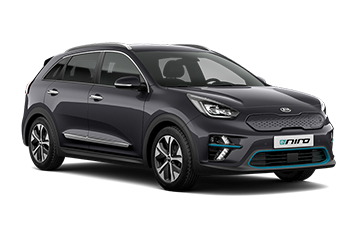
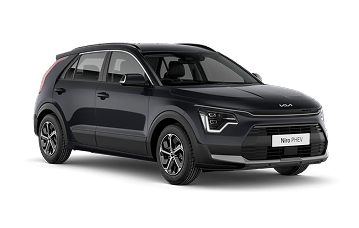
EV Discount | 100% exempt (free) | 25% via Auto Pay (£13.50) |
Electric vans, HGVs & quadricycles | 100% exempt (free) | 50% via Auto Pay (£9) |
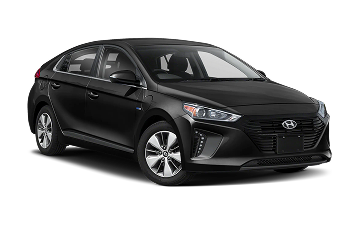
Petrol / Diesel / Hybrid | £15 full rate | £18 full rate, no discount |
Zone Coverage | City of London, Westminster, Soho, Mayfair, Knightsbridge, South Bank | Unchanged |
When Does The Congestion Charge Apply?
Knowing the charge hours is one of the easiest ways to protect your PCO Hire earnings without cutting trips. The Congestion Charge applies every day of the year except 25 December to 1 January inclusive, during these hours:
- Weekdays: 7:00 AM – 6:00 PM
- Weekends and Bank Holidays: 12:00 PM – 6:00 PM
- Between Christmas and New Year: No Charge
On weekdays, working before 7:00 AM or after 6:00 PM avoids the charge entirely. On weekends and bank holidays, focus on early mornings before noon. Either approach can cut your monthly Congestion Charge bill significantly. If you’re looking for a PCO car for rent in London, understanding these timings can also help you choose shifts more strategically and maximise take-home earnings.
Use Waze or Google Maps to track zone boundaries and avoid entering during charge hours by accident.
How to Pay the Congestion Charge
You can pay the charge in several ways:
- Online: Pay directly through the TfL website.
- App: You can also pay the fee through the official TfL Congestion Charge app.
- Phone: Call 0343 222 2222 and follow the instructions (call charges may apply).
- Auto Pay: Set up an account for automatic deductions and the lowest available EV rate.
To set up Auto Pay, visit the TfL website, create a London Road User Charging (LRUC) account, add your vehicle and payment details, and accept the terms and conditions.
What PCO Drivers Need to Know About the Congestion Charge?
All PCO drivers must pay the Congestion Charge unless their vehicle or circumstances qualify for an exemption. The charge is a daily fee, not per trip, so it applies once per vehicle per day regardless of how many times you cross in and out of the zone.
How The Charge Affects Weekly Income From PCO Car Hire
The vehicle you choose, the platform you drive on, and the zones you work in all directly affect how much you take home at the end of the week.
If you drive five days a week in the zone at the full £18 rate, that makes it an estimated:
- £90 per week
- Roughly £390 per month
- Around £4,680 per year
Your Vehicle Type Determines Your Discount
If you drive petrol, diesel, or hybrid, you pay the full £18 with no discount available.
Electric cars receive a 25% discount (£13.50 per day), and larger electric vehicles, including electric vans and HGVs, receive a 50% discount (£9 per day) but only if the vehicle is registered through TfL Auto Pay.
Without Auto Pay, EVs are charged the same full rate as petrol or diesel.
For PCO drivers entering the zone five days a week, the EV discount saves around £22.50 per week, or roughly £1,170 a year, and Auto Pay itself carries no sign-up or renewal fees.
Also Read: Choosing Between Saloons, SUVs, and 7-Seaters for PCO Hire
Important Note: These EV discounts are also being phased down over time: they’re due to reduce further to 12.5% for electric cars and 25% for vans and HGVs from March 2030, so the savings are strongest now.
How Your Ride-Hailing Platform Helps Cover the Cost
The Congestion Charge is a daily cost, but the platform you drive on can help offset it. Uber adds a £2 Central London Fee to every trip that starts, ends, or passes through the Congestion Charge zone, meaning 9 trips inside the zone cover the full £18 daily fee. Bolt does not currently apply a flat Congestion Charge surcharge, though fares may adjust based on zone and demand.
If most of your shifts are central, this works in your favour. If you’re splitting time between central and outer London, the platform offset becomes less reliable. This is why many drivers choose to rent a PCO car in London, as it provides flexibility, access to compliant vehicles, and a lower upfront commitment when managing these rising daily operating costs.

Cut your daily driving costs
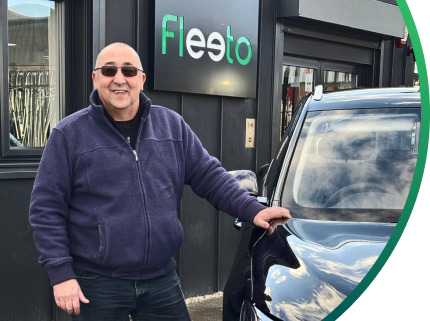
Switch to a Fleeto EV and maximise your weekly earnings.
What Happens If You Don't Pay?
Failing to pay the charge by midnight on the third day after travel results in a Penalty Charge Notice (PCN) of £180. This is reduced to £90 if paid within 14 days. If it’s still unpaid after 28 days, the amount rises to £270, and a Charge Certificate is issued, at which point enforcement action can follow, potentially involving debt recovery.
TfL doesn’t send a reminder before this happens, so it’s worth setting your own reminders, or using Auto Pay to remove the risk entirely.
For drivers on a Rent to Buy plan, those savings stack, cutting your running costs while you work toward owning the vehicle outright.
ULEZ vs Congestion Charge: What's The Difference?
These two charges are often confused, but they work very differently and affect your costs in distinct ways.
The Congestion Charge applies only within the defined central zone during charge hours and is intended to manage traffic volume.
The Ultra Low Emission Zone (ULEZ) covers all 33 London boroughs, 24/7, every day of the year. If your vehicle doesn’t meet the required emission standards, you pay £12.50 per day on top of any Congestion Charge you already owe. Fully electric vehicles are exempt from ULEZ, meaning zero ULEZ fees anywhere in London.
For high-mileage PCO drivers covering the whole city, that ULEZ exemption is a significant weekly saving that stacks on top of the Auto Pay Congestion Charge discount. This is one of the key reasons many drivers look into a PCO car for rent in London, as it gives access to compliant, often low-emission or electric vehicles without the upfront cost of ownership.
The EV Advantage For PCO Drivers in 2026
Even without the full exemption, driving an electric car still makes strong financial sense for a PCO car driver in central London. The 25% Congestion Charge discount, zero ULEZ fees across all 33 boroughs, and lower running costs per mile combine to protect your weekly earnings in a way petrol or diesel can’t.
For drivers on a Rent to Buy plan, those savings stack, cutting your running costs while you work toward owning the vehicle outright.
Conclusion
Congestion Charge 2026 has introduced a mandatory, non-refundable £18-a-day cost for most PCO drivers, and EVs no longer get a free pass. But there are still several ways to reduce what you pay: switching to an EV registered on Auto Pay, planning shifts around charging hours, and letting platform surcharges do some of the work for you.
Drive Fleeto EV to Save Costs
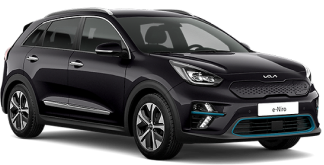
Switch to Fleeto EV rentals and reduce your daily Congestion Charge and running expenses while staying fully compliant with TfL rules. Enjoy lower costs, zero ULEZ fees, and smoother, more profitable rides across London.
Start Earning Today.
Frequently Asked Questions
How much is the Congestion Charge in London in 2026?
The standard daily Congestion Charge is £18. Electric vehicles registered on TfL Auto Pay pay a reduced rate of £13.50.
How do I know if I need to pay the Congestion Charge?
Enter your vehicle’s registration number or postcode on TfL’s Congestion Charge Checker. This tool will indicate whether you need to pay the charge or not.
Will I receive a notification when I need to pay the Congestion Charge?
No. TfL doesn’t send reminders, so it’s important to know the rules and set your own reminders, or use Auto Pay, to avoid fines.
What if I accidentally drive into the Congestion Charge zone?
Even if you enter accidentally, you must still pay the £18 charge for that day.
Can I pay the Congestion Charge in advance?
Yes, you can pay up to 90 days in advance, which is useful if you already know your schedule.
Is there a weekly or monthly cap on Congestion Charges?
No. There are no caps. If you drive in the zone seven days a week, you’ll pay the £18 charge for each of those seven days.
What if I ignore the Penalty Charge Notice?
The fine increases, rising from £180 to £270 if left unpaid past 28 days, and enforcement action may follow. Persistent unpaid penalties can also affect your ability to renew your PCO licence, so it’s best dealt with promptly.

Suggested Blogs
To get more information like this
Subscribe to our newsletter
Stay on the Road Uninterrupted with Fleeto!
All our plans have fair terms with everything you need included for a fixed weekly fee. We also offer breakdown assistance with a replacement vehicle to minimise your downtime. Book your preferred car or call us for more details.

