
Robotaxis in London: Threat or Opportunity for PCO Drivers?
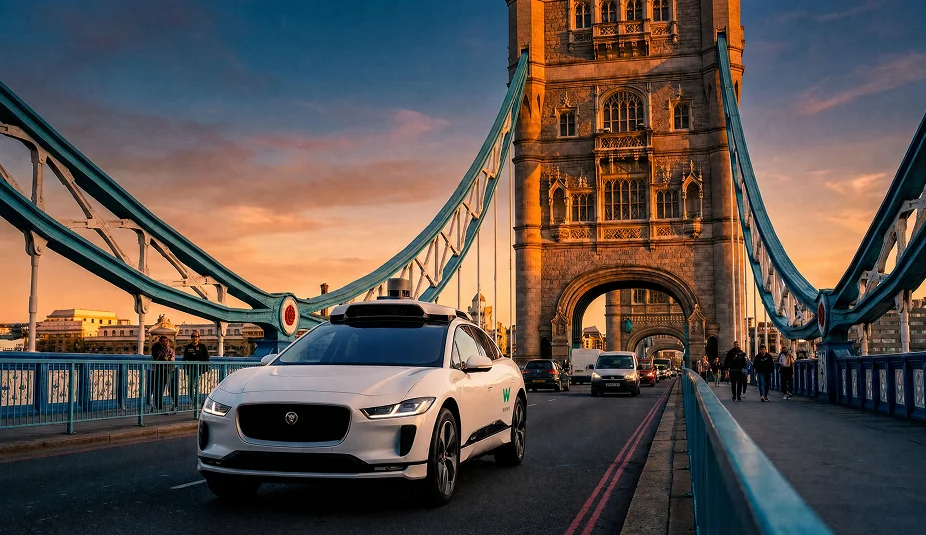
Driverless cars in the UK are no longer a future idea. Since September 2026, Londoners booking an Uber can be matched with a self-driving car. For PCO drivers, the obvious question is simple: will robotaxis take your work?
The short answer is not yet, and not in the way many drivers fear. The first robotaxis in London still carry a human driver; the fleet is very small, and the law for fully driverless services is still being built.
This guide explains what robotaxis are, where the rules stand in 2026, the real risks for private hire drivers, and the opportunities that come with them.



What Is a Robotaxi?
A robotaxi, sometimes called an AI taxi, is a passenger vehicle that uses automated driving technology to navigate roads with little or no human intervention. Cameras and sensors read the road, and an artificial intelligence (AI) system decides when to steer, brake and accelerate. Passengers book it through an app, the same way they book a private hire vehicle (PHV) today.
There are two stages to understand:
- Supervised: the software drives, but a trained human sits behind the wheel and can take control at any time.
- Fully driverless: there is no one in the driver’s seat. The car is monitored remotely by the operator.
London is at the supervised stage today.
Driverless Cars in the UK: Where Things Stand in 2026
The law behind driverless taxis in the UK
The Automated Vehicles Act 2024 introduced a new type of licence (called a permit) that companies need if they want to run self-driving cars that pick up passengers. These permit rules came into force on 15 May 2026, and a permit can last for up to five years.
Although these permits are for services that work much like current private hire vehicles, they are not handled by the normal licensing system. In London, Transport for London still has to give its local consent before any service can start running.
UK Self-driving Taxi Applications
Applications for operators to run taxi, bus and private hire-style self-driving services opened on 22 May 2026. These permits are for companies that run fleets, not individual drivers. Uber, Wayve and Waymo all backed the scheme when it opened.
London’s First Robotaxi Service
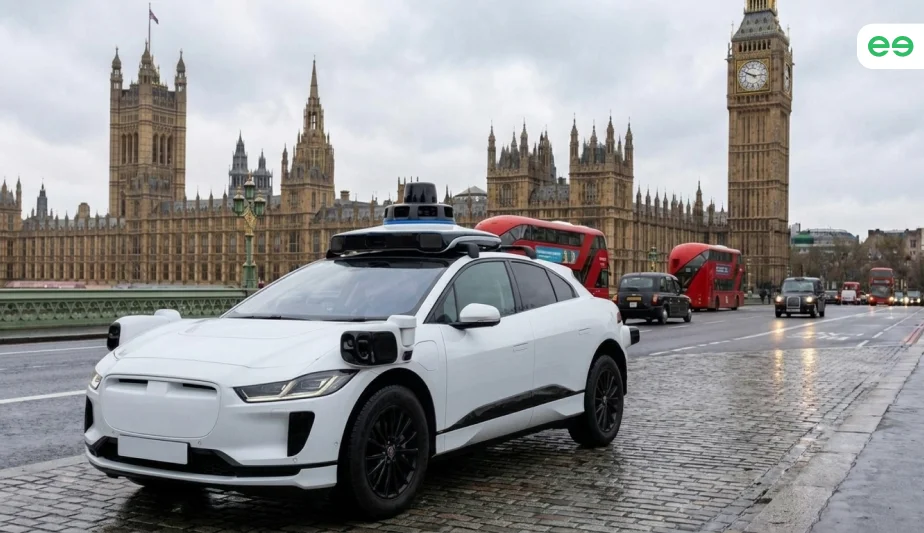
Uber and British AI company Wayve launched supervised autonomous rides in London on 3 September 2026. The initial fleet has 15 electric Ford Mustang Mach-E cars, with a TfL-licensed private hire driver in every car who can take over when needed.
Passengers booking UberX, Uber Comfort or Uber Electric are offered a Wayve car at no extra cost, but can choose a normal Uber instead. Waymo has also said it wants to join London’s self-driving market through the Government’s pilot scheme.
Robotaxis are not the first new technology to be seen as the next big thing in transport. The PCO industry has adapted to plenty of changes before, and it will continue to do so. Learn more about the technologies shaping the future of PCO car hire.
When will Robotaxis be Fully Driverless?
There is no definite date yet, and it is unlikely to happen this year. The Government is working towards allowing self-driving cars on UK roads from 2027, but it has not given a specific date for fully driverless taxis in London.
That also does not mean London will suddenly have fully driverless taxis next year. Each service will still need to meet safety rules and get approval before it can start.
The Threat: What Robotaxis Could Mean for PCO Drivers
The risks are real, even if they’re not immediate.
Competition for the same trips
Wayve cars are being matched through UberX, Comfort and Electric, some of the higher-paying categories many PCO drivers compete for. Platforms may prioritise autonomous cars for certain trips, which could change the type and volume of work that reaches human drivers.
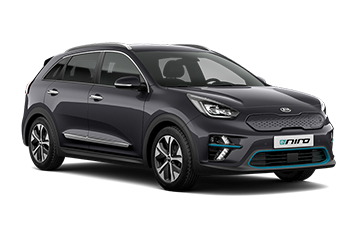
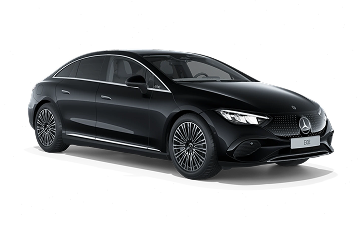
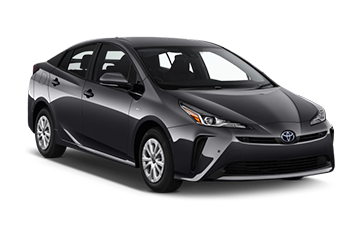
Fleeto can help you make the switch with a range of PCO-ready EVs and hybrid vehicles to stay competitive as more technology and newer vehicles enter the market.
Growth over time
Uber and Wayve plan to expand once they get further permission, and other operators also want to enter the London market.
No one knows exactly how fast these services will scale or what rules will look like in two or three years, which makes long-term planning harder for drivers.
The Opportunity: Why PCO Drivers Still Have the Advantage
Robotaxis still need licensed drivers
Today’s robotaxis cannot run without a person behind the wheel, and that person is a TfL-licensed private hire driver. The government’s consultation response says safety drivers will face the same criminal record checks as taxi and PHV drivers. Your PCO licence already puts you in the pool for this new type of work.
Reality Check:
As of September 2026, there are only 15 robotaxis operating in London, compared with 112,817 licensed private hire drivers. Fully driverless taxis remain a long way from replacing the city’s PCO drivers.
People handle what software still finds hard
For existing PCO drivers, there is another advantage: Experience.
Drivers understand London’s roads, passengers and operating conditions in a way that cannot simply be replaced by a software update. Human drivers also help passengers with luggage, handle unusual pickups, and respond to passengers who need support.
Uber has already described its approach as a hybrid network, where autonomous vehicles and human drivers operate alongside each other. Its current London launch is following that model, starting with a small number of autonomous vehicles and expanding gradually.
For PCO drivers, that means the future does not necessarily have to be autonomous vehicles versus human drivers.
It could be autonomous vehicles and human drivers.
A growing industry means new roles
The government expects self-driving technology to create 38,000 jobs and add £42 billion to the economy. Safety drivers are one of the first roles. More will follow as fleets grow.


Looking to Reduce Your Weekly Running Costs?
While VAT changes are outside your control, your vehicle costs don’t have to be. Fleeto offers flexible PCO car hire with fully maintained, TfL-compliant vehicles, helping you stay on the road with fewer unexpected expenses.
So, Is the Robotaxi a Threat or an Opportunity?
It could be both.
Robotaxis may eventually create competition in parts of the PHV market. At the same time, autonomous vehicles could create new roles, new fleet models and new opportunities across London’s wider transport industry.
The key point is that the technology is still developing.
For PCO drivers today, the more immediate reality is a changing market, not a driverless one. And to leverage this change, you need to keep your rating strong with a fully compliant PCO car, smooth driving and good service so passengers keep choosing you.
Focus on the jobs that still call for Human support, like airport runs with luggage, larger groups, or passengers who need help. Make sure your PCO licence and record stay clean, as current safety driver roles still require a TfL private hire licence.

Start Earning Today.
Frequently Asked Questions
Will robotaxis replace PCO drivers?
Not soon. Today’s fleet is 15 cars, each with a safety driver. Fully driverless services still need approval. Change will be gradual, but it is worth planning for.
How much can I earn as a robotaxi driver in London?
There is no set pay rate for robotaxi drivers yet. Current services are still in the early stages, so earnings will depend on the company and role.
Are companies hiring robotaxi drivers?
Yes, supervised robotaxi services need trained drivers to monitor the vehicle and take over when needed. These roles are different from regular PCO driving.
Do I need a new licence to drive a robotaxi?
For the current Wayve service, drivers use a TfL private hire licence. You do not need a separate robotaxi driving licence for the current supervised service.
Maximise Your Airport Earnings With the Right PCO Car!
At Fleeto, we have a wide range of PCO cars suitable for airport runs. Whether you want a 7-seater, 9-seater, or a standard vehicle with a large boot, we have the perfect car for you. Explore our fleet and pick your preferred car today on a flexible PCO car hire or rent-to-buy plan.

