
Cheap EV Charging in London: How Much Can PCO Car Drivers Save?
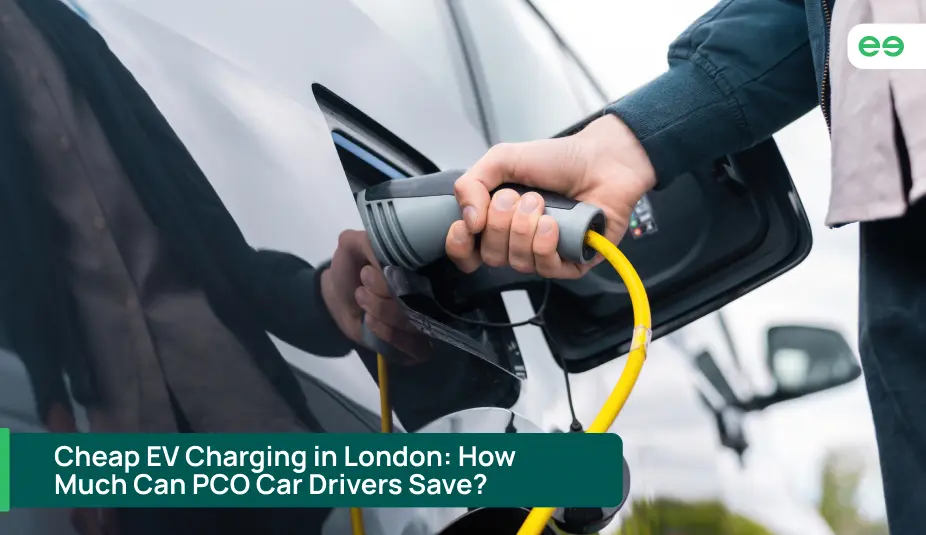
Fuel has always been one of the biggest drains on a private hire driver’s income. For years, filling up a PCO car two or three times a week was an unavoidable part of the job. But things are shifting. More and more drivers are looking closely at EV charging London strategies due to their relatively low running costs.
However, EV charging isn’t always cheap. Where and how you charge decides almost everything. Rely on rapid public chargers at peak times and your running costs won’t feel far from petrol. Charge at home overnight, top up at supermarkets, and use a membership network for longer sessions, and the savings show up in your weekly earnings.
In this article, we break down the real cost of EV charging in London, and what smart charging habits can save you each week.
Article Highlights
- How you can save up to £8,736 per year by using a smart EV charging strategy.
- Ways to reduce your weekly charging costs.
- Find the cheapest ways to charge an EV in London.













The Impact of Charging Costs on Weekly Earnings
A higher-mileage petrol or diesel driver spending around £80 to £120 per week on fuel is a common reality. On a net weekly income of perhaps £600 to £800 after platform fees, that fuel bill represents a serious slice of what’s left. Over a month, you’re looking at £320 to £480 just in fuel. The cost can increase further if you choose an expensive vehicle layout or a standard EV PCO car hire option without a clear charging plan.
Electric charging, done well, can bring that figure down considerably. Drivers who charge primarily at home or through subsidised networks regularly report weekly energy costs in the £30 to £55 range for equivalent mileage. That gap between £80 or more and £40 or less might not sound dramatic in writing, but stretched across twelve months, it becomes a meaningful shift in what you take home.
How Much Does EV Charging Cost in London?
Navigating the various networks for EV charging for PCO drivers reveals a wide range of pricing depending on the speed, location, and membership status of the plug.
On BP Pulse’s public network, pay-as-you-go fast charging runs at around 65 pence per kWh. Their rapid chargers sit at approximately 83 pence to 89 pence per kWh.
Pod Point chargers, commonly found at supermarkets, cost between 44 pence per kWh and 69 pence per kWh, depending on the charger type.
Home charging is a different picture. A standard domestic electricity tariff in the UK currently sits at around 24 to 27 pence per kWh. Intelligent Octopus Go now smart-charges eligible cars for around 8p/kWh, against an average standard variable rate of 24.67p/kWh on the April 2026 price cap. Some regions are even lower, with off-peak rates below 4p/kWh being reported since April 2026.
Also Read: Cut Your Costs: Use Free EV Charging Stations in London
Switch to an EV with Fleeto’s all-inclusive PCO car hire in London and reduce your weekly running costs. Insurance, servicing, maintenance, and breakdown cover are all included, so you can drive with peace of mind.
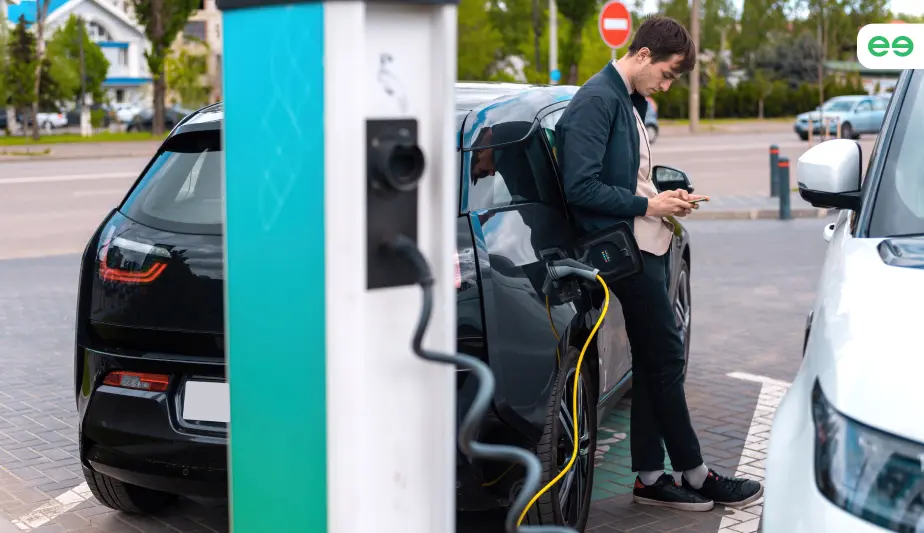
How Much Can a PCO Car Driver Save by Charging Smartly?
Let’s look at three driver profiles based on typical London private hire mileage and compare the cost of charging using a smart mixed strategy versus relying just on public rapid chargers.
Example 1: Driver Covering 500 Miles Per Week
The average price for using a public rapid charger is around 85p per kWh, which equates to approximately £122 per week.
With a bit of clever thinking, like 60% home off-peak charging at 10p per kWh, 25% supermarket or slow public charging at 35p per kWh and 15% rapid charging when needed at 85p per kWh, the total cost comes out at around £36 to £45 per week.
That equates to a weekly saving of around £77 to £86, or about £300 to £340 per month.
Example 2: Driver Covering 750 Miles Per Week
A driver at 750 miles per week needs around 214 kWh per week.
- Rapid public charging only: ~£180 per week
- Mixed charging strategy: ~£54 to £64 per week
- Weekly savings: ~£120
- Monthly saving: ~£500
Example 3: Driver Covering 1,000 Miles Per Week
At 1,000 miles per week, the energy demand is about 286 kWh per week.
- Rapid-only public charge: ~£240 per week
- Smart mixed charging strategy: ~£72 to £86 a week
- Weekly saving: ~£150 to £165
- Monthly savings: ~£700
Comparison Table: Annual Charging Cost by Strategy
Weekly Mileage | Rapid-Only (Annual) | Smart Strategy (Annual) | Annual Saving |
500 miles | ~£6,344 | ~£1,872-£2,340 | ~£4,004-£4,472 |
750 miles | ~£9,360 | ~£2,808-£3,328 | ~£6,032-£6,552 |
1,000 miles | ~£12,480 | ~£3,744-£4,472 | ~£8,008-£8,736 |
Where Can PCO Car Drivers Find Cheap EV Charging in London?
London offers plenty of ways to keep EV charging costs down if you know where to look. By learning how to manage an electric PCO car efficiently, any professional PCO driver in London makes their business model significantly more resilient against fuel price spikes.
Residential and On-Street Charging Options
If you live in a house with a driveway, a home charger is the single best investment you can make as an EV driver. A 7kW home wallbox charger costs between £700 and £1,000 installed.
For drivers in flats or without off-street parking, there’s a grant of up to £500/75% of the cost via an OZEV-approved installer. Many London boroughs have also rolled out on-street lamppost chargers, which deliver 5kW to 7kW of power at relatively affordable rates. These are ideal for overnight charging if you can park near one.
Supermarket and Destination Chargers
This is one of the most underused opportunities for London PCO drivers. Tesco, Sainsbury’s, and Lidl all operate charging networks at many of their larger London stores, often through Pod Point or Volkswagen Group Charging. Several of these free EV charging stations are highly beneficial during your breaks, and even where supermarket points require a payment, rates are typically well below the rapid public network.
Source London and Membership-Based Networks
Source London is relevant for PCO drivers because of its extensive presence on London streets, including residential areas and borough-run car parks. Their membership scheme removes the per-session connection fee and offers a slightly lower pence-per-kWh rate. For drivers who regularly park in certain parts of the city between jobs, a reliable Source London point can be helpful.
BP Pulse’s membership, known as BPP membership, also reduces rates across their network of fast and rapid chargers.
Also Read: Electric Car Grant UK 2026: Complete Guide for PCO Drivers


Final Thoughts
For most drivers covering heavy weekly mileage, the financial gap between a well-managed charging routine and a reactive one runs into thousands of pounds every single year. That massive variance is the exact reason why some drivers feel electric vehicles are incredibly profitable, while others feel the transition was overhyped.
If you are planning to make the transition to an electric platform, sourcing your PCO car from a dedicated specialist like Fleeto ensures you start with a premium, highly efficient model optimised for London’s roads. Combining smart EV charging in London’s routine with the right vehicle makes private hire driving exceptionally lucrative. Do your homework, build a charging schedule that fits your geography, and watch your weekly take-home profit rise.

Start Earning Today.
Frequently Asked Questions
How much can a PCO driver save by switching to an EV in London?
A professional driver can significantly cut running costs by choosing an electric PCO car over petrol or diesel models. Drivers who use a mix of home, supermarket, and off-peak charging can reduce their energy costs significantly compared to fuel costs.
What is the cheapest way to charge an EV in London?
Setting up a dedicated home wallbox on a time-of-use energy plan is the most economical way to power a pco car. Specialised EV home tariffs can drop overnight energy costs to as little as 10p to 14p per kWh, allowing you to completely refill your vehicle’s battery for just a few pounds while you sleep.
Are public rapid chargers expensive?
Public rapid and ultra-rapid DC chargers are excellent for quick turnarounds between passenger bookings, but they are the most expensive way to fuel an EV. Standard commercial network prices regularly sit around 85p per kWh, which can easily double your weekly expenditure if you rely on them exclusively without a subscription plan.
Is an EV suitable for high-mileage PCO drivers?
Yes, modern electric vehicles are perfectly built to handle heavy commercial workloads. Most modern private hire vehicles provide realistic daily ranges that comfortably cover a standard shift, ensuring a PCO driver in London can maximise their daily earnings with minimal disruptions.
How long does it take to charge an EV?
Charging time depends on the charger type and vehicle battery size. A rapid charger can add a substantial amount of range in 30 to 60 minutes, while home charging typically takes several hours overnight.

Suggested Blogs
To get more information like this
Subscribe to our newsletter
Stay on the Road Uninterrupted with Fleeto!
All our plans have fair terms with everything you need included for a fixed weekly fee. We also offer breakdown assistance with a replacement vehicle to minimise your downtime. Book your preferred car or call us for more details.

