
The Future of Ride-Hailing: Key Technologies Shaping the Industry
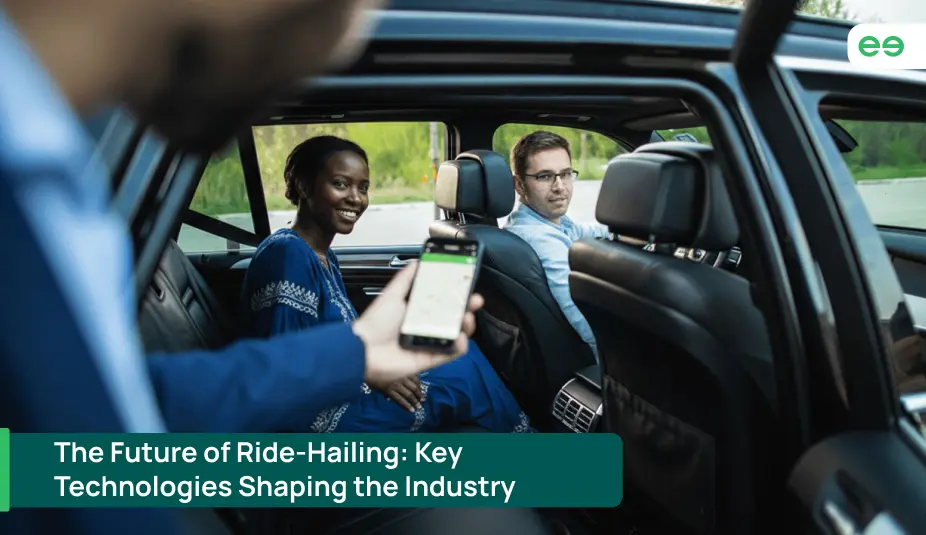
The ride-hailing world is changing at a fast pace. New technologies are emerging every day, and in a few years, the industry will be completely different from what it is today.
If you are a driver on a PCO car hire plan, keeping up with these shifts is essential to stay relevant in the future of ride-hailing. You have probably already noticed the changes. The apps are getting smarter, and the competition is fiercer. The algorithms keep evolving as well. If you can’t maintain the standards required, you’ll be left behind in the race.
In this article, we look at the technologies shaping the ride-hailing industry. Let’s begin.
Article Highlights
This article covers the top technologies in the private hire industry, including:
- Mobility as a Service
- Robotaxis
- AI-driven local market apps
- Smart bid and marketplace models
- Demand forecasting and predictive dispatch
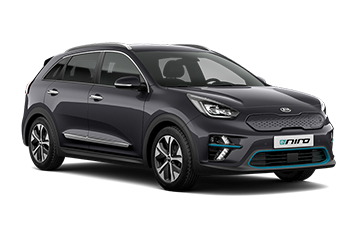




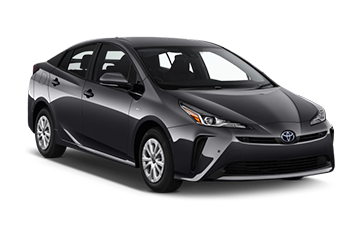
Mobility as a Service (MaaS) Super-Integration
The ride-hailing industry is moving towards Mobility as a Service, where taxis, buses, and rental bikes will be available through a single app. This will affect how passengers find and book rides.
Most people switch between apps for transportation. They check Citymapper for the Tube, Uber for a ride, and the Lime app for a scooter. Some people also use the Trainline for longer trips.
MaaS will change this by bundling all options together. Passengers will be able to compare options on a single platform and pay once for different transport modes in one journey instead of juggling five different accounts. Breeze in the Solent region is the best example of that.
Impact on Drivers
Drivers in a MaaS-dominated landscape will no longer compete only with other cabs. They will be competing with the entire transport ecosystem. The only way for you to win is to focus on the rides MaaS cannot replace. Consider late nights when public transport is scarce. Focus on rides involving multiple passengers with luggage, and position yourself in areas poorly served by buses.
Don’t let new technology leave you behind. Upgrade to a tech-packed PCO car with Fleeto and stay ahead of the competition.
Robotaxi Pilots & Autonomous Ride-Hailing
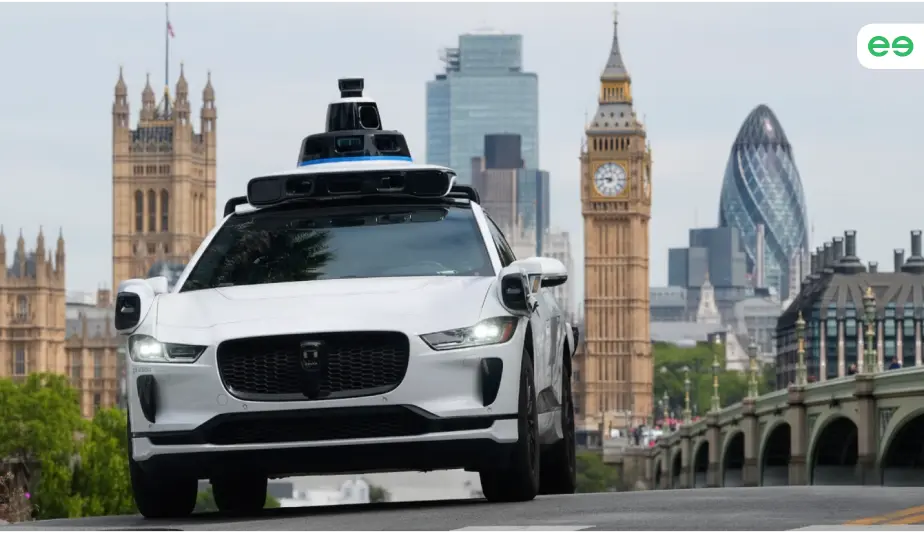
Driverless taxis are coming to London soon, with trials set to begin in 2026. Uber and Lyft have both partnered with the Chinese tech giant Baidu to bring their Apollo Go autonomous vehicles to London. Baidu’s Apollo Go service already operates in many Chinese cities and transports millions of passengers every year.
The biggest hurdle now is safety and regulatory approval for UK roads. If the service gets these approvals and public acceptance, then it could add €5.4 billion to the country’s GDP.
Impact on Drivers
Robotaxis won’t suddenly replace human drivers. Initial trials will be limited to specific areas during certain times of day. They may also require safety operators on board initially. Weather conditions and complex traffic scenarios will keep humans in the loop during the initial stages. So, there’s no instant threat to private hire drivers. However, they may need to move to monitoring or fleet management roles once the autonomous vehicles become prevalent.
Also Read: Self-Driving Cars and the Future of Private Hire in London
AI-Driven Local Market Apps
While Uber and Bolt dominate headlines, smaller UK tech companies building AI-driven platforms are also shaping the future of ride-hailing. XRide is one platform worth paying attention to. It is a UK-based platform which uses AI for advanced route planning.
It uses demand patterns from football matches, concert venues, and school hours. It factors in weather disruptions and closures on particular roads as well. For instance, roadworks on the M25 might cause Tuesday afternoon delays. The AI then adjusts routes and time estimates for drivers in that area. It acts before you even realise the pattern.
Impact on Drivers
The real advantage for drivers of such platforms is operational efficiency. The AI knows demand spikes near a specific train station and alerts you in advance, so you can position yourself in the right place instead of guessing.
Smart Bid & Marketplace Models
Apps like Uber and Bolt don’t allow you to choose your jobs. The app decides every job. You then accept or decline each one. Declining too many jobs affects your acceptance rate and lowers your priority on the algorithm.
You might live near Heathrow and want airport runs, but the algorithm gives you short Hounslow trips instead. You want jobs that make sense for you financially, but the algorithm doesn’t know this.
Cabbidder and similar UK startups are trying to flip that model. They are working on marketplaces where private hire drivers can bid on airport transfers and long-distance jobs.
Passengers will post their journey requirements on the marketplace. The drivers will submit their bids. The passenger will then choose a driver based on price.
Impact on Drivers
For drivers, this means a lot because airport transfers and long-distance trips are the most profitable jobs. But they often come with dead mileage on the return journey, as it can eat into their profits. Many drivers avoid long-distance work because of this, unless the fare is exceptional. A marketplace model changes this. You can bid on return jobs before the outbound trip, or you can pick up work near your destination to avoid dead mileage.
Demand Forecasting & Predictive Dispatch
British weather is unpredictable. Tech companies are now developing platforms that not only react to rain but also predict how the weather affects demand across different areas. A light drizzle in central London might barely impact rides. The same drizzle in a suburb with poor bus service can cause a surge in demand.
Private hire drivers need a system that predicts unexpected surges in demand. With AI systems trained on UK weather patterns, this is now possible. These systems can predict the weather variations hours in advance and suggest the best places to position yourself before the rush starts.
Impact on Drivers
A driver using predictive tools can complete more rides, but there’s a learning curve to this. You must know when to follow the system and when to override it. Your local knowledge and experience matter more in this situation.
Also Read: Want Bigger Fares? Here’s When to Drive Uber in London

Start Earning Today.
Conclusion
These are some technologies shaping the future of ride-hailing. MaaS will serve as a one-stop shop for passengers. Robotaxis are in their initial trials, AI-driven UK-specific apps help with route planning, marketplace models give you control over the types of jobs you accept, while predictive dispatch systems can reduce idle time and maximise your earnings.
Keep up with evolving tech trends in the industry to stay ahead of the curve.
Frequently Asked Questions
What are the latest technology trends in the private hire industry?
Mobility as a Service (Maas), robotaxi pilots, AI-driven local market apps, smart bidding platforms, demand forecasting and predictive dispatch are most notable technologies in the private hire industry.
Will robotaxis replace private hire drivers?
Not in the near future, as they are in their initial trials. However, once they are trained on the UK roads and get public acceptance, then they will create a competition for private hire drivers, but they may not fully replace them.
What role does technology play in private hire driving?
Technology plays a critical role in private hire driving. For instance, it helps with route planning, predicts demand patterns, and keeps drivers safe on the road through safety features.
What is the future of the private hire industry?
The future of the private hire industry is a mix of human drivers and autonomous cars, since the latter lacks human courtesy when it comes to luggage handling and helping passengers board and alight the vehicle.
What is a pink taxi?
Pink taxi is meant for females. You can book a ride now or schedule one for later through our mobile phone app.

Suggested Blogs
To get more information like this
Subscribe to our newsletter
Stay on the Road Uninterrupted with Fleeto!
All our plans have fair terms with everything you need included for a fixed weekly fee. We also offer breakdown assistance with a replacement vehicle to minimise your downtime. Book your preferred car or call us for more details.

