
Private Hire Vehicle Signage Rules Explained in London
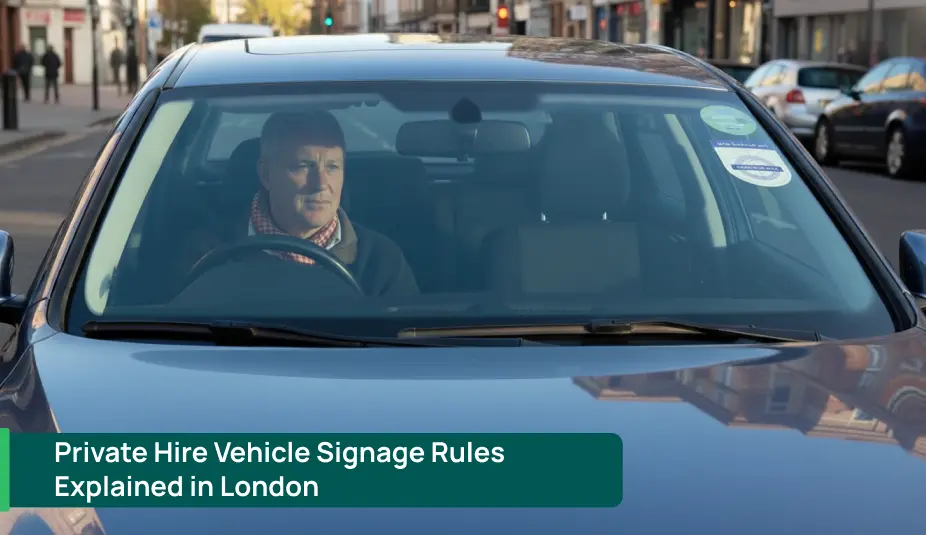
Driving a private hire vehicle in London requires you to maintain proper signage on your car. TfL requires every private hire vehicle to have signs in the correct locations for safety and easy identification. Drivers who do not follow TfL’s signage regulations can face penalties.
If you own a PCO car, then maintaining proper signage is your responsibility. If you use a PCO car hire plan, then your car provider will be responsible for signage. However, you still need to double-check it before driving away to stay safe.
In this article, we explain everything you need to know about PHV signage rules and restrictions.
Article Highlights
This article covers:
- Legal and regulatory framework around PHV signage
- Mandatory front windscreen signage
- Essential rear window signage
- Prohibited signage
- Exemptions and fines






Legal and Regulatory Framework
Transport for London (TfL) prioritises passenger safety above all. It encourages PCO drivers and fleet operators to maintain clear visual differences between taxis and PHVs through proper signs.
TfL’s signage rules serve three key purposes. First, they ensure passenger safety because a correctly signed vehicle indicates a licensed, vetted driver is driving that car. Second, they prevent public confusion between private hire vehicles and traditional taxis. Third, they help with the effective enforcement of the law by allowing officers to identify illegal operators.
Front Windscreen Signage
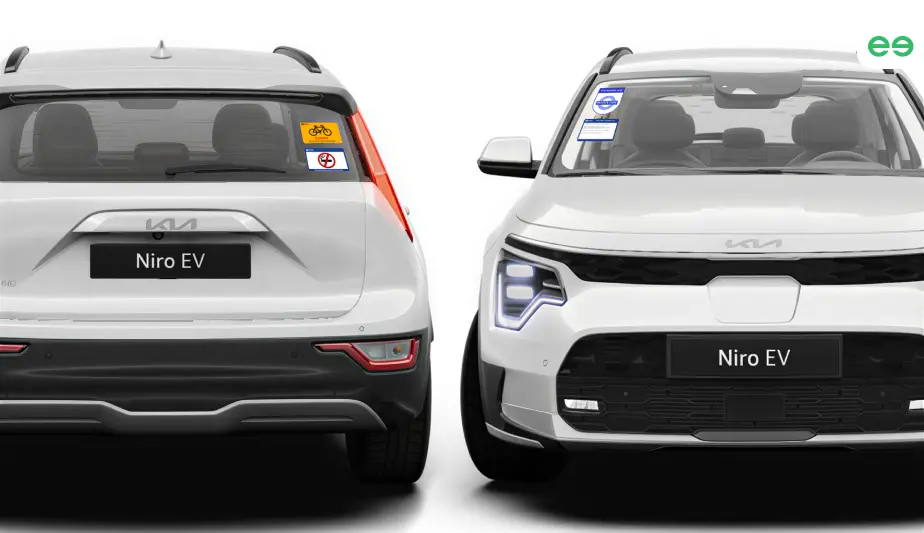
New signage requirements took effect from 1 July 2024. TfL installs these signs during annual vehicle inspections, so you don’t need to do anything directly. Just make sure your vehicle has all the mandatory signs in their required locations. For instance, your car’s front windscreen must have a Transport for London (TfL) PHV vehicle licence disc in the top corner of the passenger side.
Some other signs that can go on the front windscreen, though not strictly required there, include:
Pre-Booked Only
The “Pre-booked Only” sign is the most important sign. It tells the passengers that the vehicle is not for street hire, and they must book it in advance through an app like Uber or Bolt.
Complaint Information
Complaint information signage is also essential. It contains TfL’s contact details for passengers to report any problems during the journey. This sign aims to help passengers show their concerns and uphold high service standards by drivers.
If a sign is lost or damaged, drivers must replace it immediately.


Rear Window Signage
Rear signage usually goes on the nearside or offside rear quarter-light window. These spots offer maximum visibility to passengers and enforcement officers without blocking the driver’s view.
Some vehicle designs lack these windows. In such cases, the rules allow for alternative placement, like the rear door windows. For complex vehicle designs, drivers cannot choose signage locations themselves. They should confirm the correct placement with the authorities before inspection.
Some common examples of rear window signage for private hire vehicles include a no-smoking sign and a cycle safety sign. The no-smoking sign is to prohibit smoking inside the vehicle, while a cycle safety sign keeps cyclists alert near the vehicle.
Prohibited and Restricted Signage
Roof signs are completely forbidden for PHVs. Otherwise, passengers can confuse them with black cabs. Using signage with words like “Taxi” or “Cab” is also prohibited because it increases the risk of illegal street hails.
Your vehicle cannot display unapproved signs or ads. The goal is to maintain a clean, professional look because too much visual clutter makes it difficult to differentiate between vehicle types.
Hire a PCO car with Fleeto. Every vehicle in our fleet has official TfL signage, so you meet all legal requirements. Avoid any risk of fines or licensing problems. Focus on maximising your earnings with Fleeto’s PCO car hire or rent-to-buy plans.
Exemptions from Standard Signage Rules
TfL exempts the chauffeur sector from its new signage rules. However, fleet owners must prove their vehicles are exclusively for chauffeur work and apply for an exemption. Exemption is granted on a per-vehicle basis, not for the entire fleet.
Chauffeurs who own their vehicles must prove they only work with recognised chauffeur operators. General private hire work through platforms like Uber and Bolt disqualifies them. To apply for an exemption, owner-drivers must contact TfL directly through their official email address TPHVehicleExemptions@tfl.gov.uk.
Also Read: Don’t Let PCNs Eat Into Your Earnings – Learn How to Avoid Them
Consequences of Violating TfL Signage Rules
Penalties start with formal warnings and fines. However, they can escalate to licence suspension if a driver ignores them. The ultimate penalty is licence revocation, and losing your licence means losing your income.
Operating without correct signage also risks your insurance. Providers may refuse claims for non-compliant vehicles, leaving you personally liable for all costs.

Start Earning Today.
Conclusion
Private hire vehicle signage is a legal requirement in London, whether you own the car or use a PCO car hire plan. These rules exist for safety and clarity. Every driver must follow them to stay compliant and avoid fines.
If you haven’t checked your vehicles’ current signage, do it now and make sure it meets all TfL standards. A compliant vehicle shows professionalism and protects your livelihood. In the private hire industry, professionalism is your greatest asset.
Frequently Asked Questions
Do I need to install PHV signage myself?
Per the latest information from Transport for London (TfL), the new signage for PHVs is installed during the vehicle’s annual inspection.
Where should I display signage on my vehicle?
Generally, the signs should be placed on the front windscreen and the nearside and offside rear quarter-light windows. If those windows are not present or cannot be used, alternative placement is allowed on the rear door windows.
What information must the signage on my PHV include?
For PHVs, the signage must include: how to complain to TfL, a no-smoking message, a cycle-safety reminder, a seat-belt message and a “pre-booked only” notice (among others).
Are there any types of signage prohibited for PHVs?
Yes. PHVs cannot display roof-mounted signs that may resemble traditional taxis. Also, the signage cannot include words like “Taxi” or “Cab”, which can cause confusion among passengers.
What should I do if a sign gets lost, damaged or removed?
If signage is lost or damaged, you must replace it promptly so your vehicle remains compliant for inspections and licensing. Otherwise, you can get penalised.

Suggested Blogs
To get more information like this
Subscribe to our newsletter
Get Your PCO-Ready Vehicle With Signage Pre-Fitted!
Avoid downtime and fines. Choose Fleeto for a car that is inspection-ready with correct PHV signs from day one. We maintain compliance so you can drive with peace of mind. Let’s connect today.

