
What PCO Drivers Should Know About Passengers with Disabilities
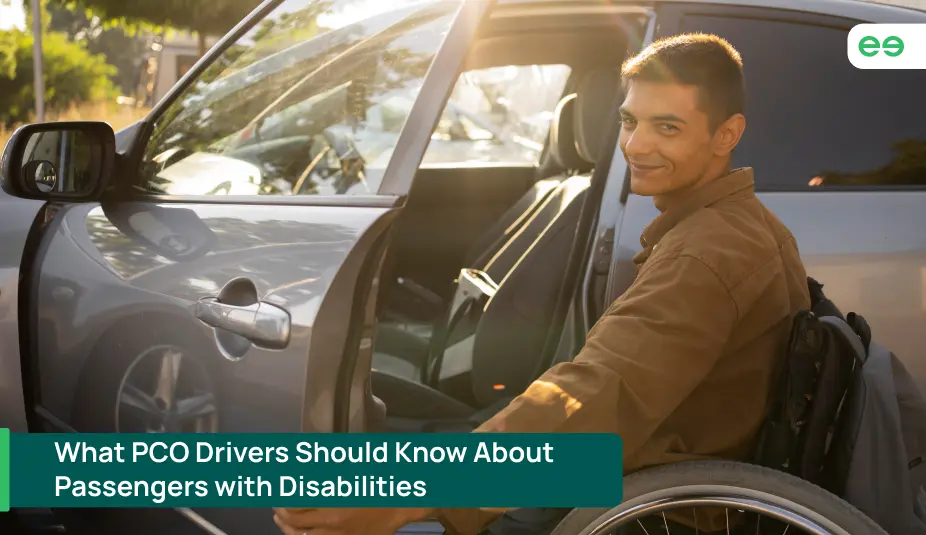
Imagine pulling up for a pickup and seeing your passenger use a wheelchair. The first thing that comes to your mind is “should I assist them or let them board the vehicle on their own”?
Some drivers may also consider cancelling the ride to avoid the added hassle of assisting disabled passengers. However, accessibility for disabled passengers is now a core part of private hire driving.
Denying rides or failing to assist them properly can lead to complaints and fines. If you are on a PCO car hire plan, these fines can affect your ability to pay the weekly hire fee.
PCO drivers have legal obligations to assist disabled passengers. Knowing these obligations helps you avoid fines.
Article Highlights
In this article, you will learn:
- Legal obligations for PCO drivers to carry disabled passengers
- Tips for assisting disabled passengers
- Best company for PCO drivers to hire Wheelchair Accessible Vehicles






Legal Obligations as a PCO Driver
PCO drivers operate within a clear legal framework. The Equality Act 2010 and the newer Taxis and Private Hire Vehicles (Disabled Persons) Act 2022 define your responsibilities in handling a disabled passenger.
Core Responsibilities
First, you must accept a disabled passenger. Refusal is not an option unless you hold a valid certificate for exemption.
Second, if you must allow the wheelchair inside the car, the passenger can remain in their chair during a ride.
Third, you must provide mobility assistance if they need it. This includes helping them in and out of the vehicle. It also means lifting and storing the wheelchair or mobility aid inside the car.
You cannot charge any additional fee for offering assistance. It’s illegal.
If the passenger informs you in advance that they will need help locating the vehicle during a pickup, you must also provide it.
Also Read: UK Mobile Phone Driving Laws Explained for PCO Drivers
Assistance Dogs
Many disabled passengers use assistance dogs when travelling. PCO drivers must allow assistance dogs in their vehicles without extra charge. Refusing a guide dog or other service animal equates to rejecting the passenger, and you may get a fine for this.
Drivers with severe medical conditions, like documented dog allergies, must apply for a medical exemption certificate through their licensing authority. Without this certificate displayed in the vehicle, you cannot refuse to carry an assistance dog.
Invisible Disabilities
Not all disabilities are visible. Some passengers may have autism, dementia, mental health conditions, chronic pain, or sensory impairments. You must also offer required assistance to these passengers, without charging extra.
The best approach is to respectfully ask passengers, “Is there any way I can assist you?” This avoids the possibility of overlooking invisible disabilities.

Exemptions
The private hire authorities recognise that some drivers have physical limitations. Such drivers can apply for an exemption from the mobility assistance duties. You will receive a medical certificate from your licensing authority as proof of exemption. However, these exemptions only cover duties like helping passengers in and out of the car or loading heavy wheelchairs.
They do not exempt a driver from carrying disabled passengers. You will still get fined for declining a ride to a disabled passenger.


Training
Disability awareness training is not yet mandatory, but the industry is moving firmly in this direction. Many licensing authorities in the UK now strongly recommend or require it. Investing in this training is a smart professional decision, as it helps you avoid unintentional rule violations.
You will also learn proper techniques for securing wheelchairs and communicating effectively with disabled passengers.
Hire a car suitable for disabled passengers with Fleeto. Our vehicles are spacious, comfortable, and meet all accessibility standards. You will be able to carry every passenger with ease and expand your business reach. Choose from our flexible PCO car hire or rent-to-buy plans and serve a wider customer base.
Practical Tips for Assisting Passengers
Now that you know your legal responsibilities, it’s important to know how to offer an excellent service to disabled passengers.
Before Pick-Up
When booking, ask the passenger, “Do you need any assistance?” This gives you time to prepare. For instance, you can clear the boot space for a wheelchair.
Also, confirm if they will remain in a wheelchair or prefer a seat. Ask about mobility aids or assistance dogs as well. Knowing this upfront prevents last-minute surprises.
At Pick-Up & Boarding
Upon arrival, always offer assistance first. Ask, “Can I help you with anything?” Then, give them time to respond and follow their directions.
For passengers with visual impairments, offer your arm for guidance and direction. For passengers with hearing problems, speak clearly, but not too loudly. For passengers with cognitive conditions, offer instructions/directions in plain language. Stay patient when dealing with such passengers, as rushing often leads to more confusion.
During the Journey
Prioritise passengers’ comfort and safety. If they use a wheelchair, help them board your car.
You may have to adjust your driving style for such passengers. Smooth/safe acceleration and braking are critical to avoid causing discomfort or anxiety among them.
Verbal communication is critical with visually impaired passengers. Keep them informed about where you are and how much distance remains. If the passenger has a hearing impairment, they may need to see your face while you talk. If you know sign language, that’s even better.
The goal is maintaining a calm, secure environment for disabled passengers during rides.
At Drop-Off
Again, ask the passenger what assistance they require. They may need help unloading wheelchairs or mobility aids. When unloading wheelchairs, ensure they are assembled and locked before transferring passengers into them. The same assistance rules we mentioned above apply here. Offer your arm for help and follow their instructions.
The last impression is as important as the first impression. Complete the journey positively with proper assistance and a kind farewell.
Also Read: Affordable Parking Options You Should Know Around Heathrow

Start Earning Today.
Conclusion
Assisting disabled passengers is part of PCO driving. Laws evolve and technologies advance, but the basic principle remains the same: you cannot refuse rides to disabled passengers without a valid certificate of exception.
If you are on a PCO car hire plan, ensure the car you hire supports accessibility for disabled passengers.
View accessibility not as a legal burden, but as a professional skill and an act of kindness. Each successfully assisted journey is good business and your contribution to a more inclusive society. That’s a destination worth reaching.
Frequently Asked Questions
Can a PCO driver refuse a ride to a disabled passenger?
A PCO driver cannot refuse a ride to a disabled passenger without a valid exemption certificate from the licensing authority. Doing so is a violation of the law.
How can I assist a passenger with special needs?
Ask them if they need help with anything. If they do, follow their instructions. Offer your hand for assistance, communicate clearly, help with the luggage or mobility aids, and assist them in getting in and out of the vehicle.
What are the rights of disabled passengers?
Drivers cannot deny them rides and must assist them with anything they need without additional charges.
Can I refuse an assistance dog?
You cannot refuse an assistance dog. Some disabled passengers rely on them for guidance, and rejecting an assistance dog in your vehicle can affect their mobility.
What should I avoid saying to a disabled passenger?
Avoid asking questions about their conditions or anything that could potentially offend them. The best practice is to speak only when they talk to you. Some passengers may need regular ride updates. Stick to providing them with the information they need.

Suggested Blogs
To get more information like this
Subscribe to our newsletter
Hire a PCO Car That Meets Accessibility Standards With Fleeto!
Our PCO-ready vehicles meet full accessibility requirements so that you can transport disabled passengers comfortably and safely. Choose a reliable vehicle on an affordable plan and welcome every passenger with Fleeto!

