
Winter Driving Tips & Advice for PCO Drivers
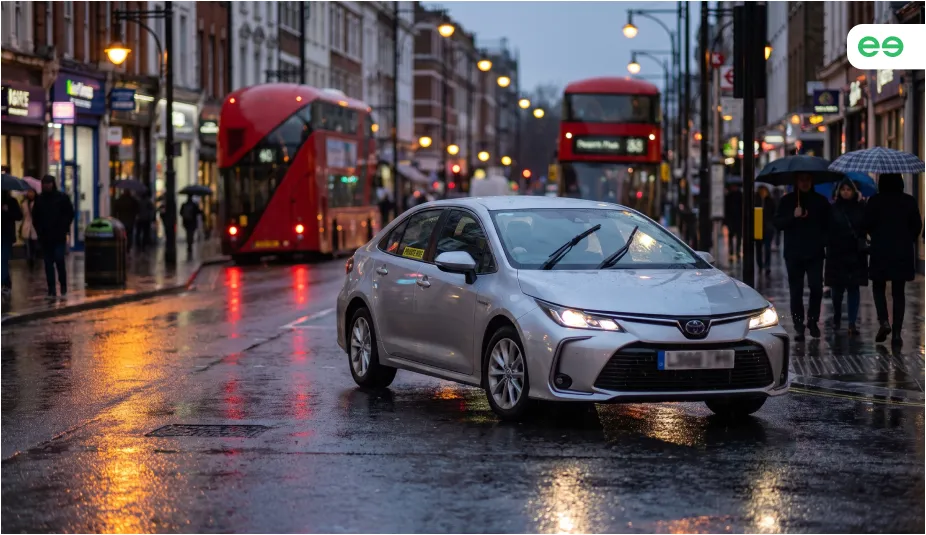
Most PCO drivers feel the change the first time they brake on a frosty morning. On ice, a car can need up to 10 times more distance to stop than on a dry road, so summer habits are no longer enough.
Since the clocks went back, most evening shifts also start in the dark. If that makes you uneasy, you are not alone: nearly a third of UK drivers say they feel anxious behind the wheel, and darkness, bad weather and ice are their top worries.
This guide brings together practical winter driving tips for PCO drivers, from getting your car ready to driving safely and keeping passengers comfortable.
Why Is EV Range Less in Winter?
Winter changes the road in ways that are easy to miss. These are the facts every PCO driver should know before the colder months.
- Stopping distances: At 30 mph, a car needs about 23 metres to stop on a dry road. On a wet road, that at least doubles to around 46 metres. On ice, it can stretch to roughly 230 metres.
- Early darkness: In mid-December, the sun sets before 4 PM in London. Much of the evening rush now happens after dark, when pedestrians and cyclists are harder to see.
- Low sun: On clear days, the winter sun sits low in the sky. It can dazzle you at junctions, especially in the early morning and late afternoon.
- Hidden ice: Black ice is hard to spot. It often forms on bridges, shaded roads and quiet side streets after a clear, cold night.
- Clear windows: The Highway Code says you must be able to see out of every window before you drive. Your lights and number plates must also be clean, and your mirrors clear.
How to Get Your Car Winter-Ready Before Your Shift
A five-minute check before you log on can save you a breakdown, a fine or a lost day of earnings.
Start with the tyres, because they are your only grip on a wet or icy road. Cold air lowers tyre pressure, so check it every week in winter. The legal minimum tread depth is 1.6mm, but many tyre experts suggest replacing tyres at around 3mm for better winter grip.
Next, walk around the car and check every bulb, including the brake lights and indicators. Replace wiper blades that are split or leave smears, and fill up with a winter screenwash that will not freeze. Before you set off, brush any snow off the roof too. If you leave it there, it can slide down onto the windscreen the first time you brake.
Finally, think about the battery. Cold weather puts extra strain on car batteries, and a slow start on a frosty morning is often the first warning sign. Get it tested early, before it fails in the middle of a shift. If you’re considering a more winter-ready vehicle, explore Fleeto’s range of PCO cars to find one that suits your driving needs.
Important
Never leave your car running unattended while it defrosts. A running car with the keys inside is an easy target for thieves, and your insurance may not pay out if it is stolen.
Driving in the Winter: Tips to Stay Safe and Confident
Feeling nervous on winter roads is normal, even for experienced drivers. Most winter driving safety fears come from feeling rushed or unprepared, so the best fix is a plan for the conditions you are likely to meet. These winter driving tips cover what to do before you log on and how to handle the road once you are out there.
Plan Before You Log On
Check the weather before every shift. If snow or ice is forecast, plan to stick to main roads, which are more likely to be gritted. If you are new to PCO car hire journey and driving, build up slowly with a few short shifts on familiar routes before you take on late nights in bad weather.
Leave More Space
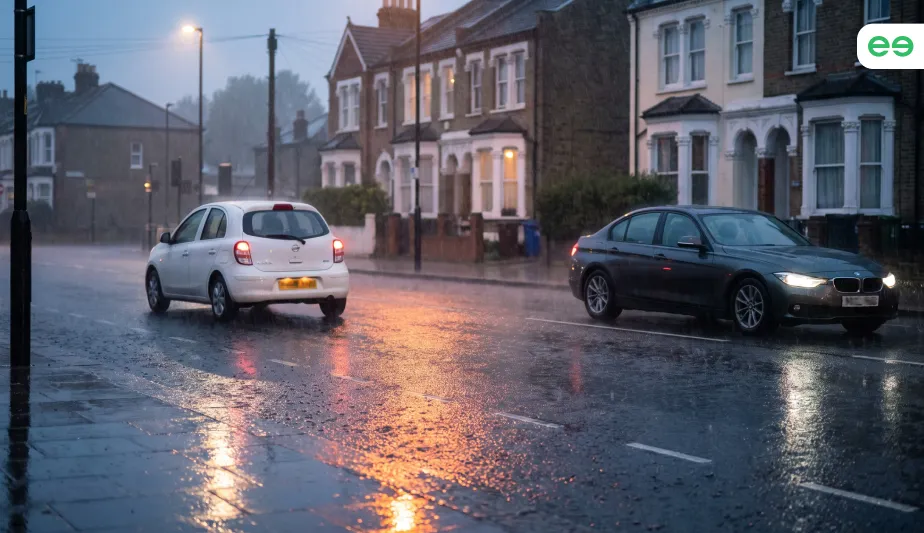
Double your gap to the car in front on wet roads, and leave far more on ice. A bigger gap gives you time to react without braking hard, which is when most skids start.
Be Gentle With Every Control
Accelerate, brake and steer gently. On slippery roads, pull away in second gear if your car allows it, and ease off well before bends and junctions.
Know What to Do in a Skid
If the car starts to slide, take your foot off the accelerator and steer gently in the direction you want to go. Do not slam on the brakes. If you need to brake, press firmly and steadily.
Handle Fog and Low Sun
In fog, use dipped headlights and only switch on fog lights when you cannot see more than about 100 metres. If low sun dazzles you, lower your visor and reduce your speed, or pull over until you can see clearly. Our guide to handling foggy night shifts in London has more tips for low-visibility driving.
Watch for Flooding
Heavy rain can flood underpasses and dips in the road. If you cannot tell how deep the water is, find another route. Just 30cm of moving water can float a car.
Know Your Limits
You can turn down a job to a road you know will be icy or flooded, because your safety comes before one fare. Winter driving also takes more concentration, and tiredness makes every risk worse. Our tips on how to spot and stop driver fatigue show when it is time to pull over.
Need a steady winter car?
Take on long, cold shifts in comfort with the Toyota RAV4
Winter Driving Advice for PCO Shifts
Your passengers notice winter too. A few small habits keep them safe, comfortable and more likely to rate you well.
- Choose safe pickup spots. Stop where passengers do not have to step into deep puddles, slush or a busy road.
- Warm the car before pickups. A warm, clean cabin makes a strong first impression on a cold night.
- Keep the car clean inside. Wet shoes and umbrellas bring in dirt and damp. Keep floor mats clean and the windows clear of mist.
- Give passengers time. Wait until they are seated and belted before you pull away, especially when pavements are icy.
Keep a Winter Kit in the Car
Pack an ice scraper, de-icer, a torch, a phone charger, a warm layer, water and a snack. If you get stuck in traffic or break down, you will stay warm and reachable.
Stay Safe, Stay Earning This Winter
Winter roads reward drivers who prepare. Slow down, double your gap on wet roads, drive gently on ice and take a break when you feel tired. These simple winter driving tips protect you, your passengers and your income.
Start with the easiest step. Before your next shift, take five minutes to check your tyres, lights and screenwash. It costs nothing and could save you a day off the road.
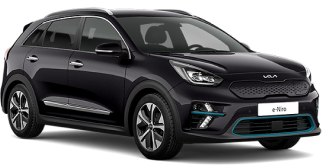
Start Earning Today.
Frequently Asked Questions
What are the most important winter driving tips?
Slow down, leave a bigger gap and be gentle with the brakes, steering and accelerator. Clear all ice and snow from your windows before you set off. Check your tyres and lights regularly.
How much longer are stopping distances in winter?
Stopping distances are at least double on wet roads. On ice and snow, they can be up to 10 times longer than on dry roads.
When should I use fog lights?
Only when visibility is seriously reduced, usually under 100 metres. Switch them off when visibility improves, as they can dazzle other drivers.
What should I keep in my car in winter?
Keep an ice scraper, de-icer, a torch, a phone charger, a warm layer, water and a snack. This helps if you get stuck or break down.
Do I have to clear snow off my car roof?
You must clear all snow and ice from your windows, lights, mirrors and number plates. The Highway Code also says to remove snow that could fall off, so clear the roof too.
Maximise Your Airport Earnings With the Right PCO Car!
At Fleeto, we have a wide range of PCO cars suitable for airport runs. Whether you want a 7-seater, 9-seater, or a standard vehicle with a large boot, we have the perfect car for you. Explore our fleet and pick your preferred car today on a flexible PCO car hire or rent-to-buy plan.

