
DVLA Medical Conditions: Complete List, Driving Rules, and How to Report
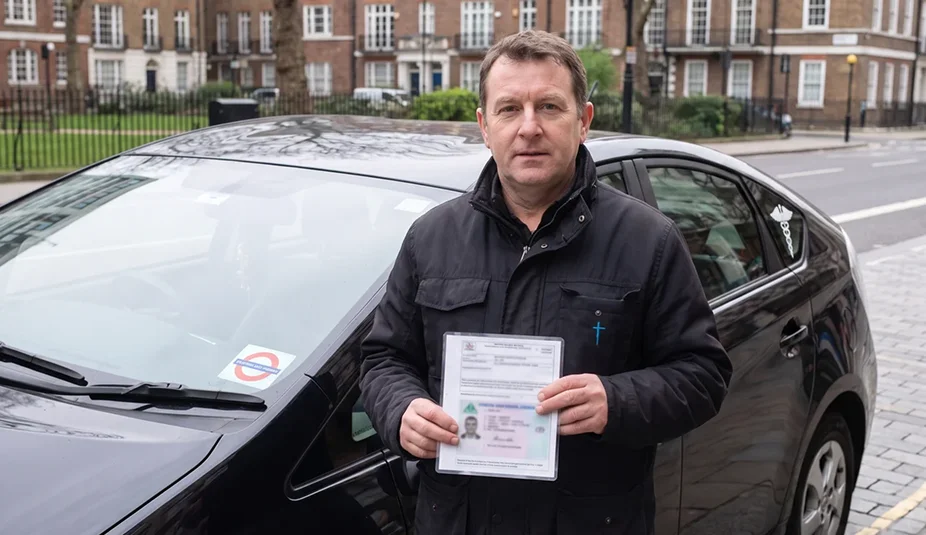
A health condition can cost you more than a fine. If the Driver and Vehicle Licensing Agency (DVLA) or Transport for London (TfL) decides you are not fit to drive, you cannot work. Every week without a licence is a week without earnings.
Under Section 94 of the Road Traffic Act 1988, drivers have a legal duty to notify DVLA if they develop a medical condition or disability that may affect their ability to drive safely. Private hire drivers face a second test. TfL issues the private hire driver licence, which most drivers still call the PCO (Public Carriage Office) licence. TfL checks your health against the stricter medical standard used for bus and lorry drivers.
This guide explains the DVLA medical conditions list, the rules for PCO drivers, how to report a condition and what to do if you are concerned about another driver’s fitness.



What Are DVLA Medical Conditions?
These are health conditions or disabilities that could affect your ability to drive safely. The list includes conditions such as diabetes, epilepsy, fainting, heart conditions, sleep apnoea, stroke, glaucoma and conditions affecting movement or control of a vehicle.
These are also known as DVLA notifiable conditions.You must tell DVLA if you develop a notifiable medical condition or if an existing condition gets worse and could affect your driving.
Group 1 vs Group 2: Which One Applies to You?
DVLA has two medical standards:
Standard | Applies to | Medical requirement |
Group 1 | Cars and motorcycles | Standard for ordinary drivers |
Group 2 | Buses, coaches and lorries | Stricter medical standard |
Group 2 has higher medical standards because these vehicles are larger and often carry passengers.
For London private hire drivers, this distinction matters. TfL says PHV drivers must meet the DVLA Group 2 medical standards. In most cases, this means having a medical examination with a doctor who has access to their full medical records.
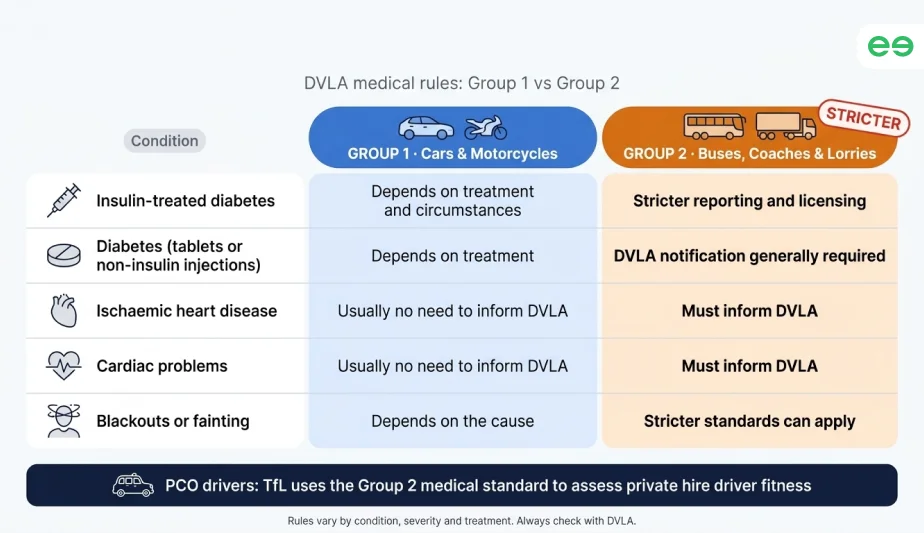
DVLA Medical Conditions List: Group 1 vs Group 2
The official list is an A to Z guide covering around 1,600 conditions. Some conditions have similar requirements for both groups, while others have noticeably stricter Group 2 rules.
Table 1: Conditions with Similar Requirements
Condition | Group 1 | Group 2 |
Severe communication disorders | Inform DVLA if it affects safe driving | Inform DVLA |
Some physical disabilities | Report if it affects vehicle control or requires adaptations | Medical assessment may be required |
Certain neurological conditions | Medical assessment may apply | Usually stricter medical assessment |
Some episodes of fainting | Rules depend on the cause and circumstances | Often stricter reporting and driving restrictions |
The exact rule can depend on the severity of the condition, symptoms, treatment and when the problem occurred. Always check the individual condition rather than relying on the table alone.
Table 2: Examples Where Group 2 Is Stricter
Condition | Group 1 | Group 2 |
Insulin-treated diabetes | Reporting depends on the treatment and circumstances | Stricter reporting and licensing requirements |
Diabetes treated with tablets or non-insulin injections | Reporting depends on the treatment | DVLA notification is generally required |
Ischaemic heart disease | Usually no need to inform DVLA | Must inform DVLA |
Cardiac problems | Usually no need to inform DVLA, but driving may need to stop | Must inform DVLA |
Blackouts or fainting | Rules depend on the cause and circumstances | Stricter standards can apply |
For example, someone with ischaemic heart disease does not normally need to tell DVLA with a car or motorcycle licence, but a Group 2 driver must report it. The same difference applies to some cardiac conditions. Diabetes also has different reporting and licensing requirements between Group 1 and Group 2.
For PCO drivers, this second table is particularly important because TfL uses the Group 2 medical standard when assessing private hire driver fitness.


Looking to Reduce Your Weekly Running Costs?
While VAT changes are outside your control, your vehicle costs don’t have to be. Fleeto offers flexible PCO car hire with fully maintained, TfL-compliant vehicles, helping you stay on the road with fewer unexpected expenses.
DVLA Driving Rules and Medical Guidance for PCO Drivers
The basic DVLA driving rules are straightforward: if a medical condition could affect your ability to drive safely, check whether you need to report it.
You could be fined up to £1,000 if you fail to tell DVLA about a condition that affects your driving. If you have an accident and your health condition is found to have contributed to it, you may also face prosecution and your insurance may not be valid.
Reporting a condition does not automatically mean you lose your licence. DVLA may make a decision using the information you provide, or it may ask for medical evidence, an examination, an eyesight test or a driving assessment.
The DVLA’s Medical Guidance sets out the medical standards used when assessing fitness to drive. For professional drivers, these guidelines are particularly important because Group 2 standards are higher than Group 1 standards.
What Does TfL Require From PCO Drivers?
If you are applying for a London private hire driver licence, TfL assesses you against the DVLA Group 2 medical standard. New applicants usually need to complete the TPH/204 medical form with a registered doctor who has access to their full medical records, usually their GP. The medical includes a physical examination, and you must pay the doctor’s fee. The medical examination is not provided free through the NHS, so you will need to pay the doctor’s fee yourself unless other payment arrangements have been made.
You do not need the TPH/204 form if you already hold a valid DVLA Group 2 licence or a TfL taxi licence. However, TfL can still request a medical to confirm your fitness, including age-related fitness.
From age 45, PHV drivers need a medical examination each time they renew their licence, which normally lasts three years. From age 65, a medical assessment is required every year.
If you develop a new medical condition between examinations that may affect your ability to drive, TfL says you should tell it immediately.
This is separate from your responsibility to notify DVLA when your condition meets the DVLA reporting requirements.
Important DVLA Update
As of April 2026, the average time DVLA took to make a medical licensing decision had fallen to 56.6 working days, down from 71.4 days in February. This is worth keeping in mind if your licence depends on a medical decision, as some applications can take several weeks to process. Source: Transport Minister Simon Lightwood, House of Commons, 23 April 2026, via The RegisterHow to Report a Medical Condition to DVLA
If you are unsure whether your condition needs to be reported, start with the official GOV.UK condition checker.
The process is usually:
- Find your condition on the official A to Z list to see whether you need to tell DVLA and which form applies.
- Check the reporting requirement for your licence type.
- Report online if an online service is available.
- Complete the relevant form if DVLA requires a paper questionnaire.
- Send it to Drivers Medical Group, DVLA, Swansea, SA99 1TU.
- Wait for the decision. DVLA may contact your doctor before it decides.
- Keep copies of forms, letters and medical evidence you send.
DVLA expanded its online service in August 2026, allowing drivers to check how around 1,600 conditions may affect their driving and notify DVLA online where required. DVLA says using the online service can be up to 10 days faster than paper applications in some cases.
DVLA Medical Number
If you need to speak to DVLA about a medical driving enquiry, the number is: 0300 790 6806
The Drivers Medical Group lists this number for medical enquiries, with current published opening hours of Monday to Friday, 8am to 7pm, and Saturday, 8am to 2pm.
If you already have a DVLA letter, use the contact details and reference number shown on that letter when replying.
Start Earning Today.
Reporting an Unfit or Unsafe Driver to DVLA
You can tell DVLA if you are worried about someone else’s fitness to drive. DVLA considers reports from the police, healthcare professionals, and concerned relatives and friends. Where appropriate, it may start a medical investigation. The driver will be asked to complete a questionnaire and allow their doctors to share information.
The driver is legally responsible for telling the DVLA. If a patient is unfit to drive and keeps driving, General Medical Council (GMC) guidance says a doctor may need to decide whether to share information with DVLA without consent (GMC).
Keep Your Driving Costs Predictable With Fleeto
Medical and licensing requirements are outside your control, but your vehicle costs do not have to be.
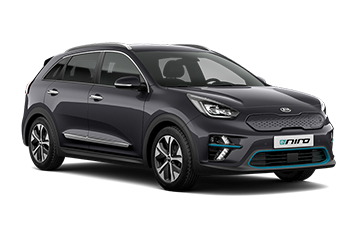
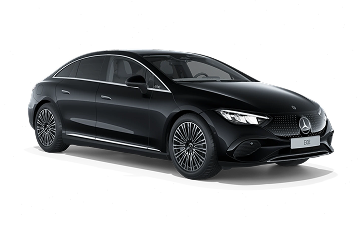
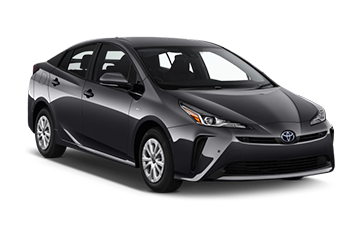
Fleeto offers flexible PCO car hire with maintained, TfL-compliant vehicles, including electric and ULEZ-compliant options. You can choose a vehicle that fits your driving needs without taking on the cost and responsibility of owning a PCO car.
With maintenance, vehicle support and flexible hire options available, Fleeto makes it easier to keep your car ready for work while keeping your regular vehicle costs predictable.
Conclusion
DVLA medical conditions can affect your ability to drive, your licence and, for professional drivers, your ability to work. The reporting requirements vary by condition, while London private hire drivers also need to meet the stricter Group 2 medical standard used by TfL.
Check the official DVLA guidance for your condition and report it when required. If your health changes, make sure you also follow any medical requirements linked to your TfL licence.
For concerns about another driver’s medical fitness, use the correct DVLA reporting route instead of trying to assess their condition yourself.
Staying on top of these requirements can help you avoid problems with your licence and keep your private hire work running smoothly.
Frequently Asked Questions
What medical conditions do I need to report to the DVLA?
You need to report certain medical conditions or disabilities that could affect your ability to drive safely. The requirements vary by condition, so check the official DVLA A to Z list for the specific rules that apply to you.
Can I still drive after reporting a medical condition to the DVLA?
Reporting a medical condition does not automatically mean you will lose your licence. The DVLA may allow you to continue driving, issue a shorter-term licence, add restrictions or ask you to complete further medical or driving assessments, depending on your circumstances.
How do I report a medical condition to the DVLA?
You can use the official DVLA online service to check your condition and find out if you need to report it. Depending on your condition and licence type, you may need to complete a form or provide medical information.
What happens if I do not tell the DVLA about a medical condition?
If you have a condition that you are required to report and fail to tell the DVLA, you could be fined up to £1,000. You could also face problems with your driving entitlement if your condition affects your ability to drive safely.
Can I report someone to the DVLA if I think they are medically unfit to drive?
If you are concerned that someone may not be medically fit to drive, you can contact the DVLA about the concern. The DVLA can assess the driver’s medical fitness and decide what action, if any, is needed. If someone is an immediate danger on the road, contact the police.
Maximise Your Airport Earnings With the Right PCO Car!
At Fleeto, we have a wide range of PCO cars suitable for airport runs. Whether you want a 7-seater, 9-seater, or a standard vehicle with a large boot, we have the perfect car for you. Explore our fleet and pick your preferred car today on a flexible PCO car hire or rent-to-buy plan.

